
Eco-Modulation under PPWR & EPR: Reduce Packaging Fees
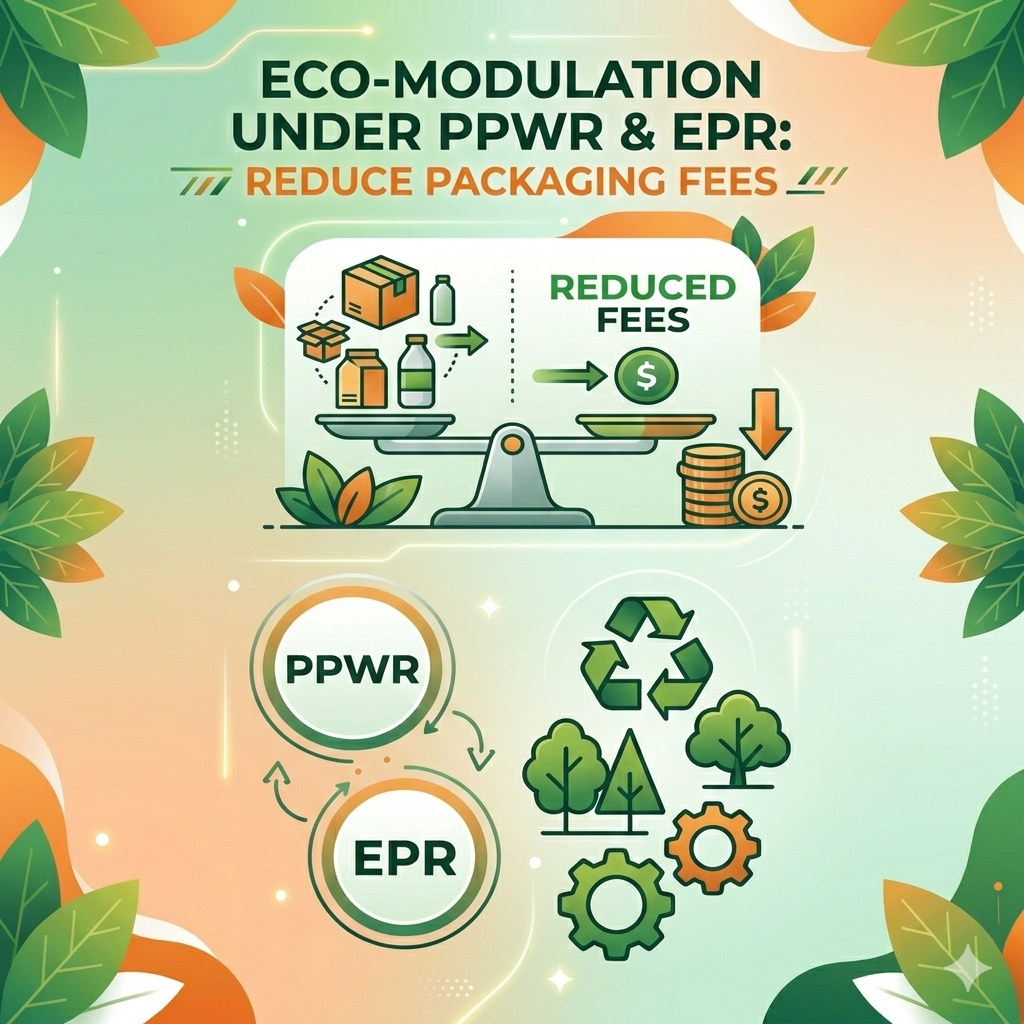
Eco-modulation is quickly becoming one of the most consequential financial mechanisms in European EPR packaging regulation. It is the principle that adjusts Extended Producer Responsibility fees based on how sustainable your packaging actually is. And with the EU’s Packaging and Packaging Waste Regulation (PPWR) now in force, understanding eco-modulation is no longer optional — it is a strategic imperative for every producer […]
Why Paying EPR Fees Is Critical for EU Companies | RegSurance
If your company sells packaged goods, electronics, batteries, or textiles in Europe, Extended Producer Responsibility (EPR) obligations almost certainly apply to you. Yet thousands of businesses continue to operate across the EU without registering, reporting, or paying their EPR fees — not out of deliberate avoidance, but because EPR simply falls through the cracks. This […]
EPR in the Netherlands 2026: UPV Streams, Recent Updates, PROs, Deadlines & FAQs
Last updated: 19 February 2026. Extended Producer Responsibility in the Netherlands is called UPV (Uitgebreide Producentenverantwoordelijkheid). In practice, UPV means: if you first place certain products (or packaging) on the Dutch market, you are responsible for financing and organising (directly or via a producer organisation) the end-of-life phase: collection, recycling, reporting, and in some streams […]
Digital Product Passport (DPP) Timeline – What ESPR Requires – What Data to Prepare – How to Implement at Scale
Digital Product Passports (DPPs) are becoming the EU’s preferred mechanism to make product sustainability and compliance information standardised, machine-readable, verifiable, and shareable across the value chain. For most organisations, the DPP challenge is not “building a QR code”. It is building a data and evidence operating model that survives product changes, supplier variability, and audit […]
EU Declaration of Conformity for Packaging under PPWR What it is – who signs – what evidence belongs in the technical file – and how to operationalise it across SKUs and suppliers
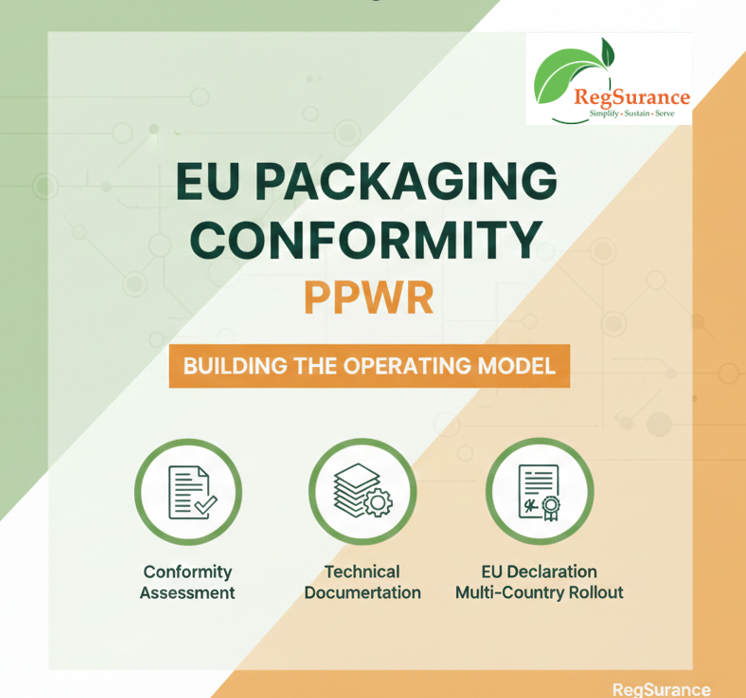
Summary The EU Packaging and Packaging Waste Regulation (PPWR) introduces a clear “conformity” model for packaging.For packaging that you place on the EU market, you should assume you will need all three elements working together: Conformity assessment procedure – PPWR Article 38 (with Annex VII) Technical documentation (technical file) – Annex VII EU Declaration of […]
EU Packaging EPR & PPWR Reporting: 7 SKU Level Data Fields to Avoid Audit Findings
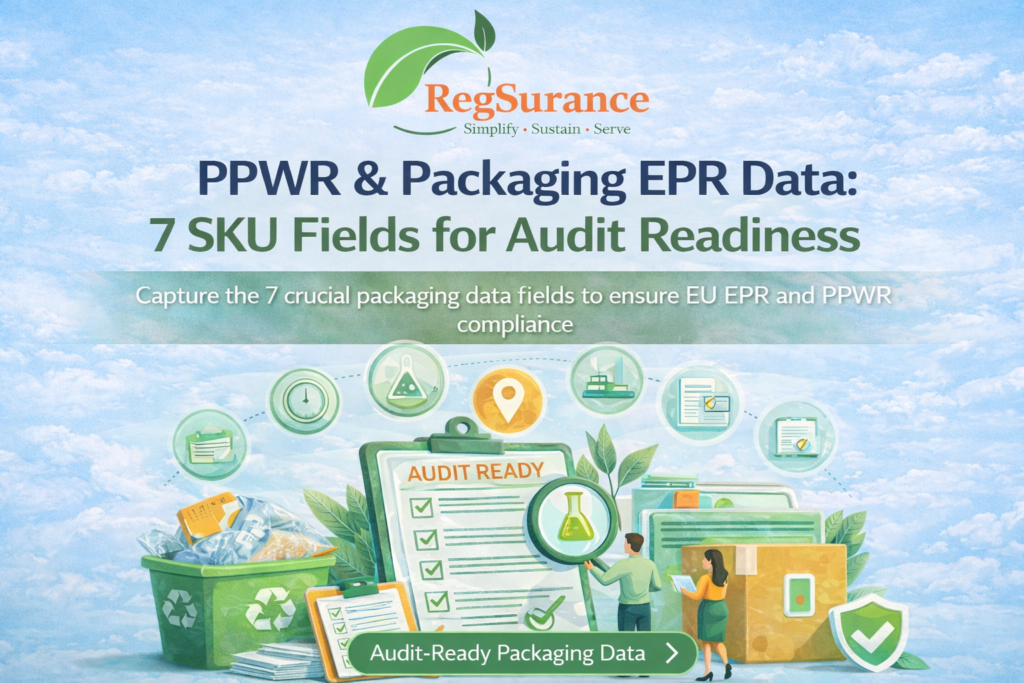
What auditors look for is not “more rows” in a spreadsheet. They look for a dataset that can explain itself under pressure. If you sell packaged goods across Europe, your reporting will eventually be challenged in one of three ways: – A PRO requests evidence because your reported volumes look unusual versus peers. – An […]
WEEE vs Batteries vs Packaging EPR in Europe – Who Is Responsible in Bundled Products and How to Avoid Double Counting

A single commercial SKU can trigger three separate EPR regimes in Europe WEEE – for the electrical or electronic equipment Batteries – for batteries placed on the market, including batteries incorporated into equipment Packaging – for all packaging placed on the market with the product The operational risk is not that these streams overlap conceptually, […]
Marketplace Delistings Are Rising in Europe: The EPR Compliance Checklist Sellers Must Fix Now
Why delistings are increasing – and what sellers must do to keep selling in the EU Over the last few weeks, we have received a clear spike in urgent queries from e-commerce sellers who are in panic mode because their listings have been restricted, threatened with delisting, or already removed in one or more EU […]
Packaging EPR for B2B: When Transport Packaging Triggers EU Compliance Obligations
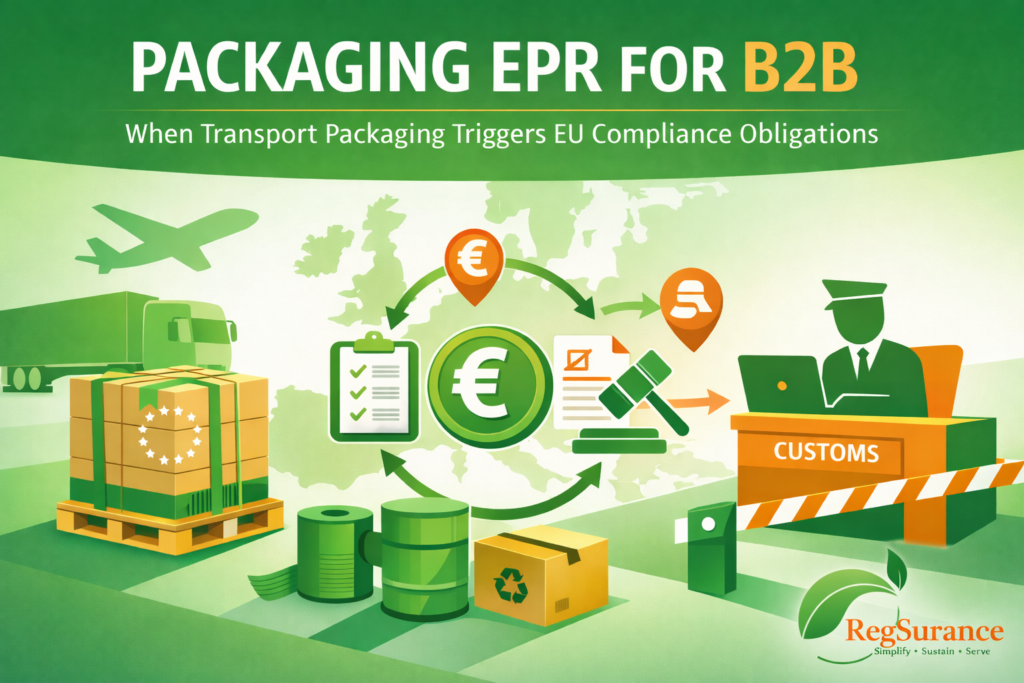
Most industrial companies still operate under a dangerous assumption: “Packaging EPR is for consumer brands. We sell B2B, so it does not apply to us.” This belief is one of the most common root causes of non-compliance across Europe.Packaging EPR is not triggered by who you sell to. It is triggered by who places packaging […]
Packaging EPR in 2026: what’s changing across Europe (fees, scope, audits, and marketplaces)
Across Europe, packaging EPR is shifting into a higher-cost, higher-scrutiny compliance regime—driven by circular economy policy, tighter packaging rules, expanding scope (including more attention on B2B/professional packaging in some markets), and enforcement pressure that increasingly touches importers and e-commerce flows. This article breaks down what’s changing, what it looks like in practice, and what to […]