
Digital Product Passports (DPPs) are becoming the EU’s preferred mechanism to make product sustainability and compliance information standardised, machine-readable, verifiable, and shareable across...
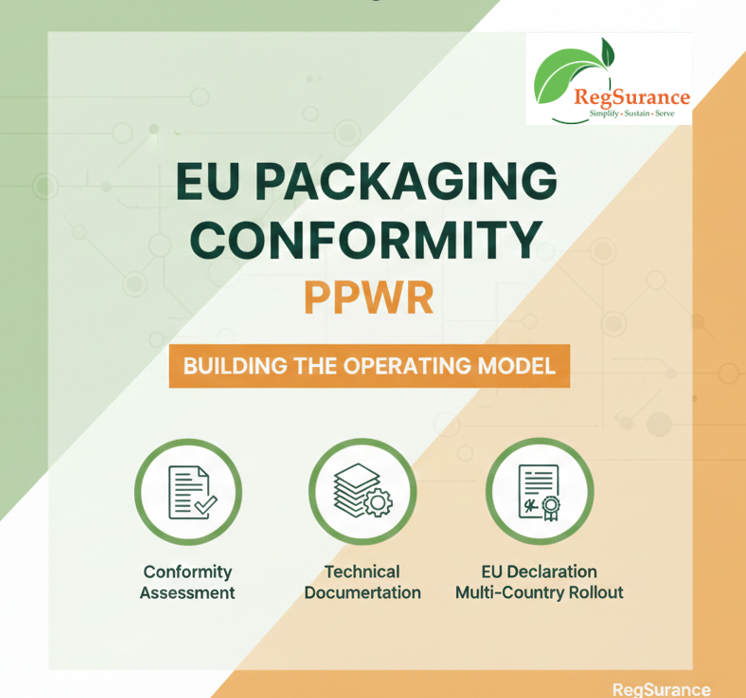
Summary The EU Packaging and Packaging Waste Regulation (PPWR) introduces a clear “conformity” model for packaging.For packaging that you place on the EU market, you should assume you will need all...
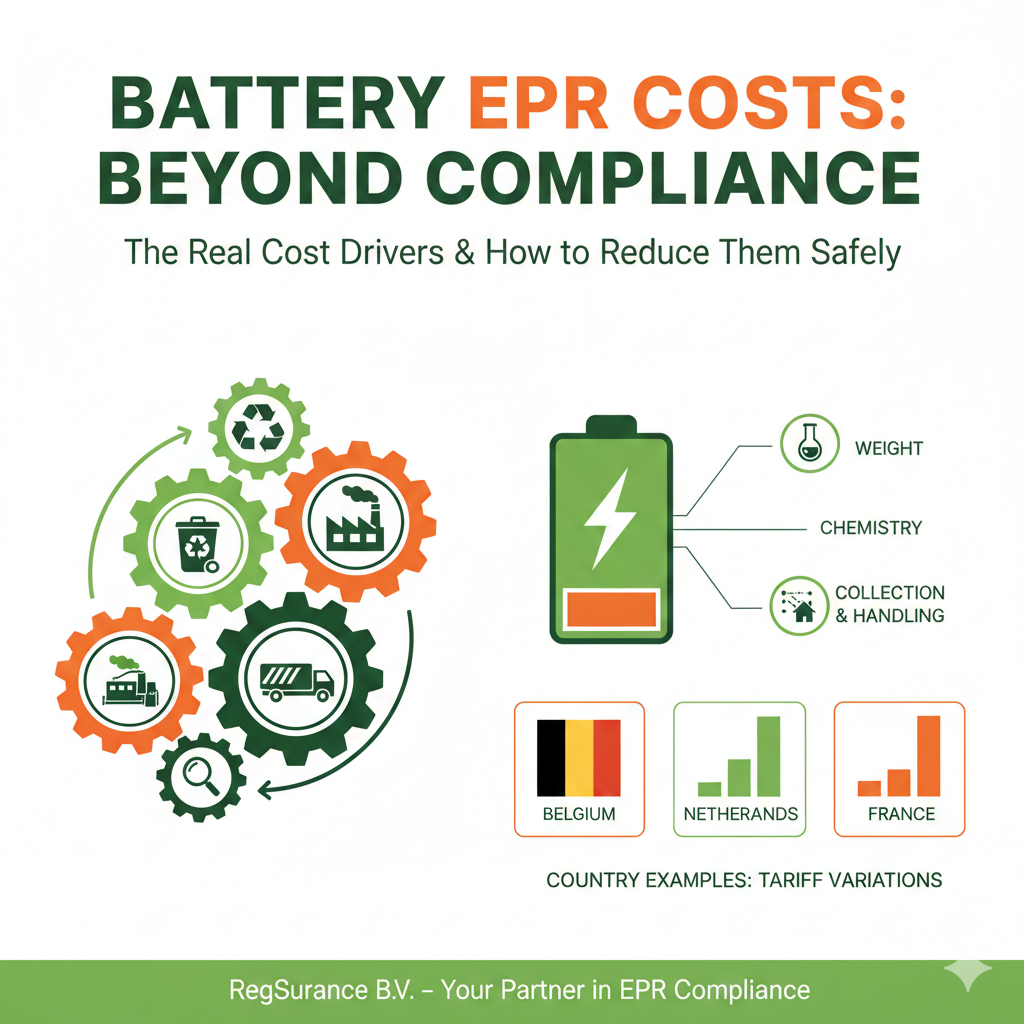
Published: 30 January 2026Battery EPR costs are rarely “just a compliance fee”. In most EU countries, Battery Extended Producer Responsibility fees are designed to finance the full end-of-life system...
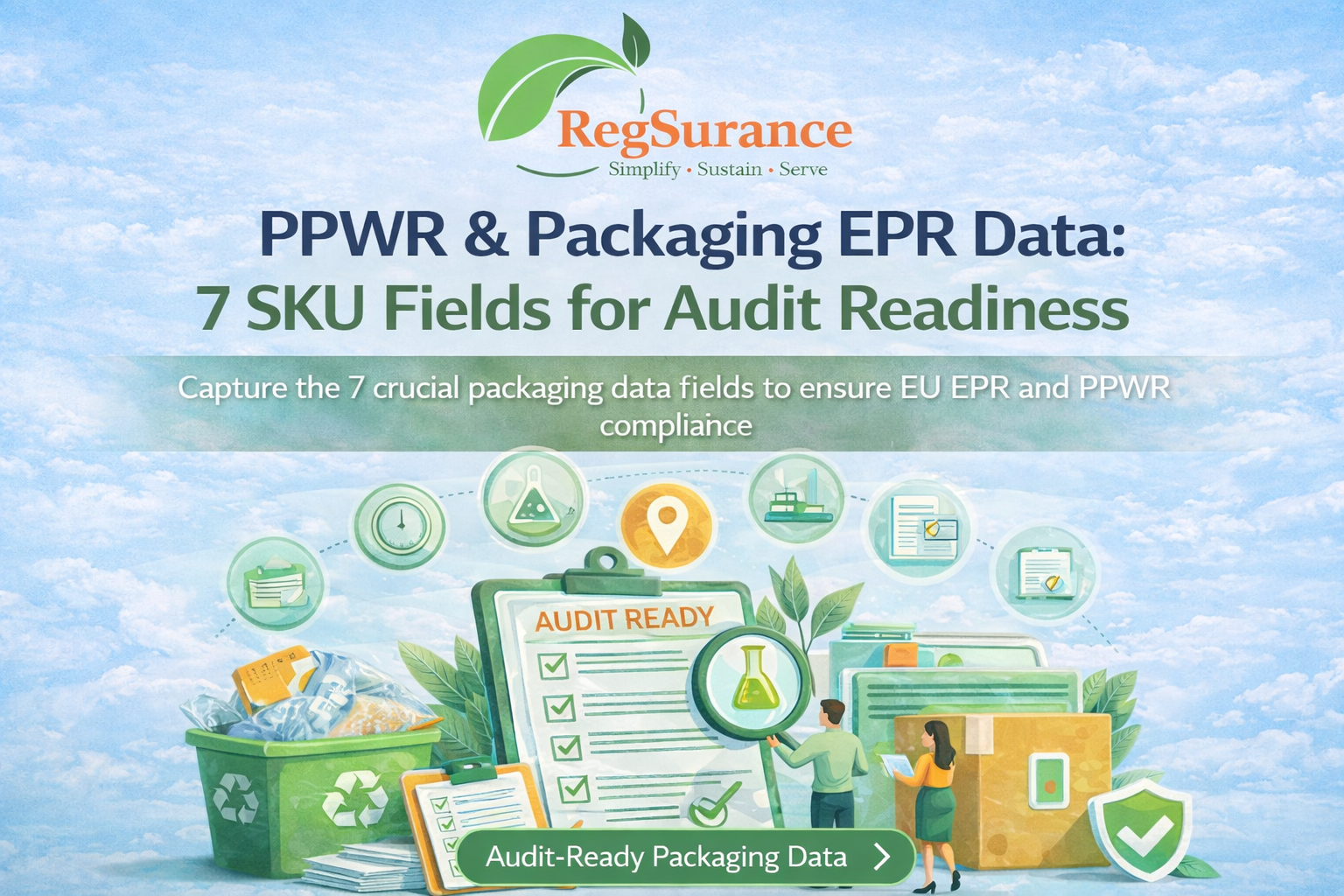
What auditors look for is not “more rows” in a spreadsheet. They look for a dataset that can explain itself under pressure. If you sell packaged goods across Europe, your reporting will eventually be...
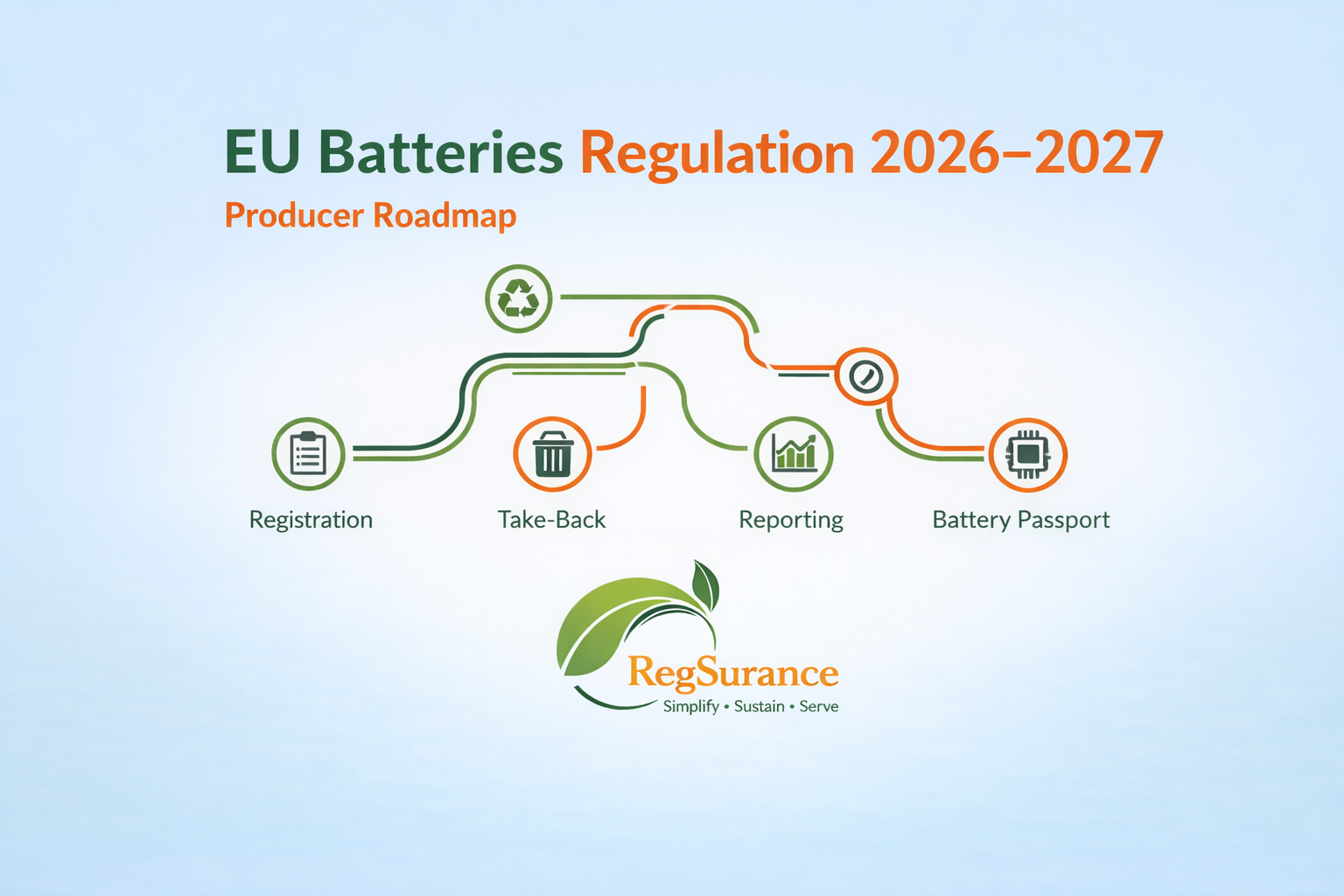
1 What producers must implement on registration, take-back, and reporting The EU Batteries Regulation has moved battery compliance from a fragmented directive approach to a directly applicable...
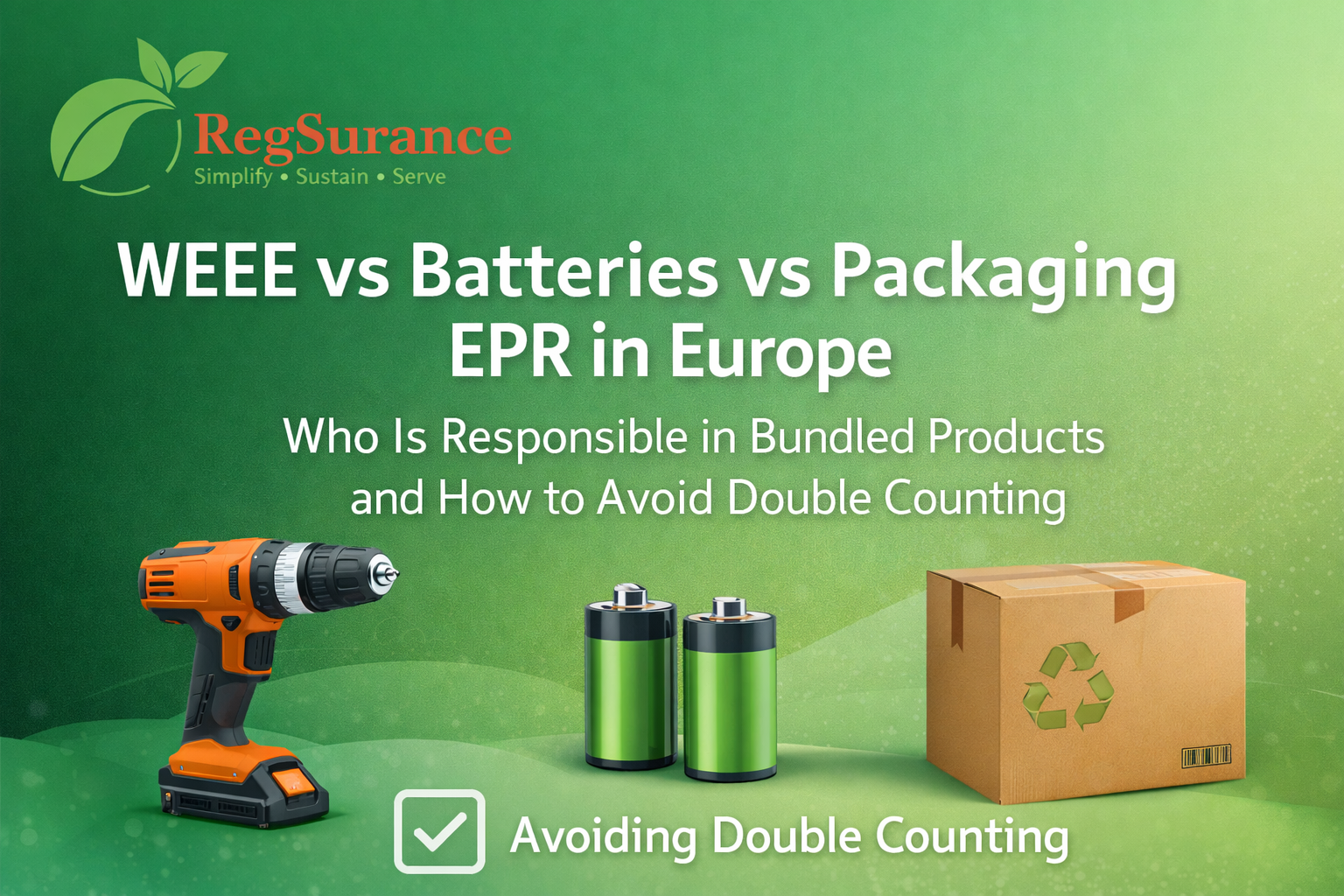
A single commercial SKU can trigger three separate EPR regimes in Europe WEEE – for the electrical or electronic equipment Batteries – for batteries placed on the market, including batteries...

Many companies treat REACH registration like a milestone You register once You get a registration number You move on Under EU REACH, that mindset is a compliance risk. REACH registration comes with an...
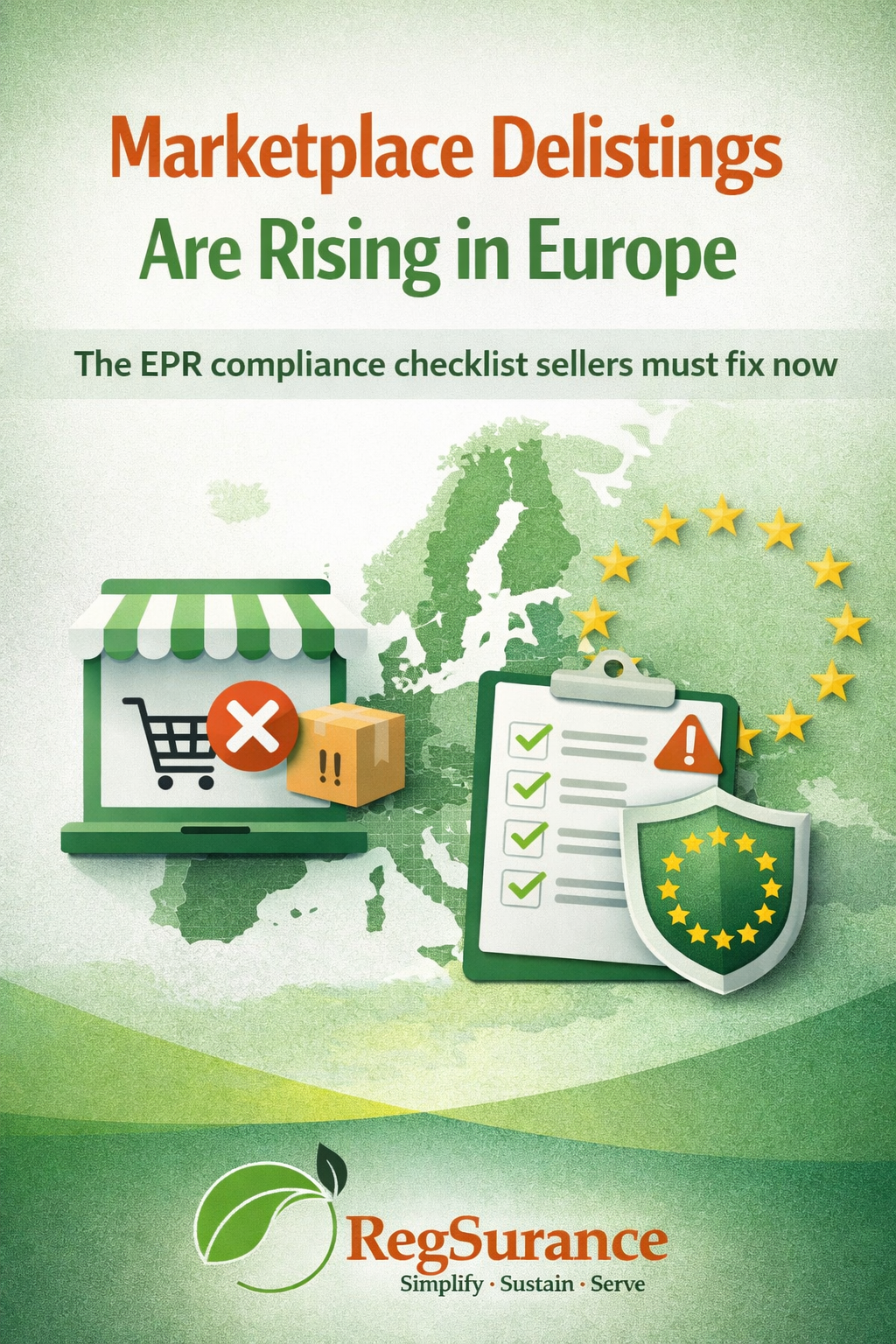
Why delistings are increasing – and what sellers must do to keep selling in the EU Over the last few weeks, we have received a clear spike in urgent queries from e-commerce sellers who are in panic...
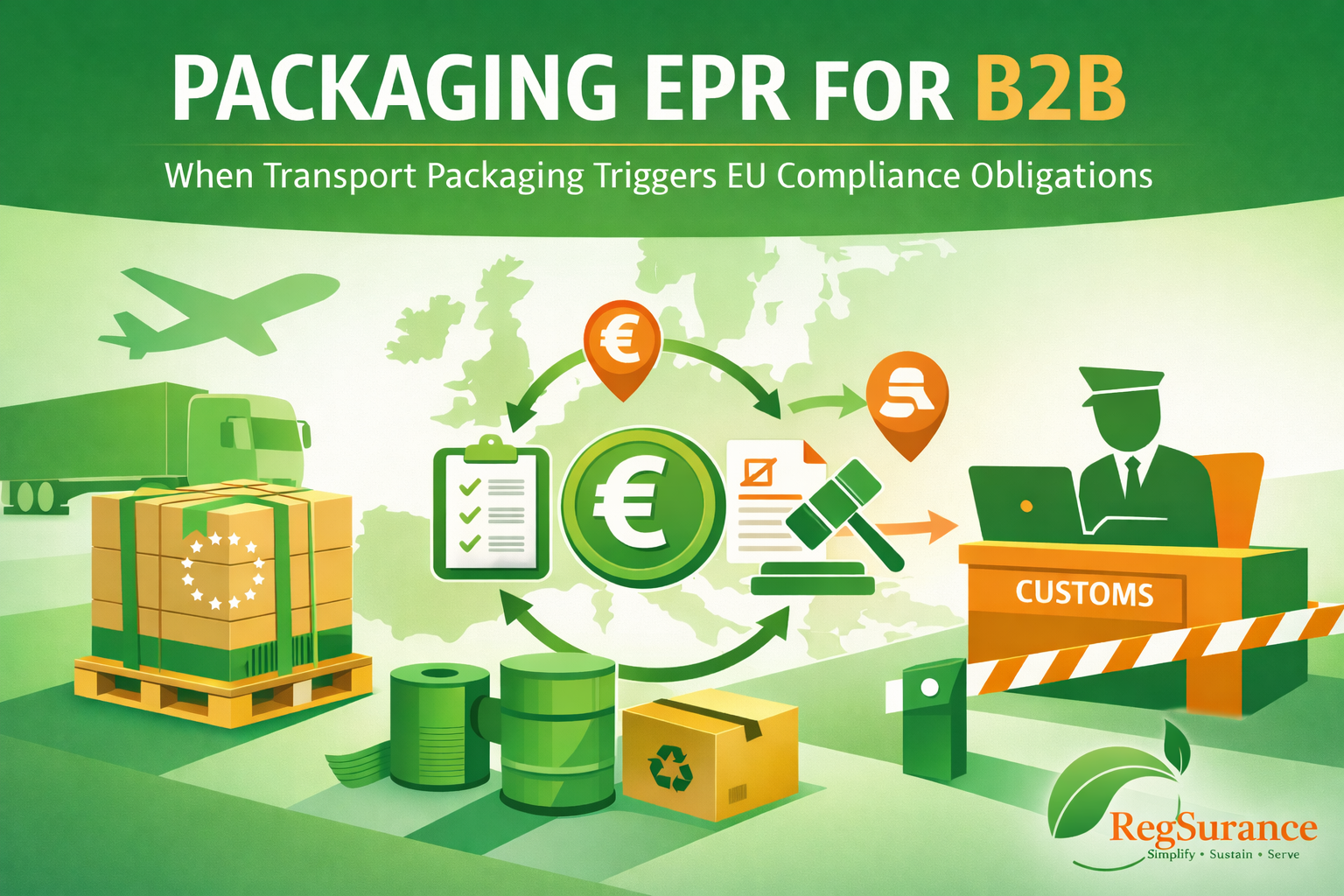
Most industrial companies still operate under a dangerous assumption: “Packaging EPR is for consumer brands. We sell B2B, so it does not apply to us.” This belief is one of the most common root causes...